
Imagine logging into your university’s online learning platform only to discover that every student record, assignment, and exam has vanished—or worse, leaked online. This isn’t fiction. In 2023, a misconfigured cloud storage bucket exposed over 228 million student records across multiple edtech platforms, according to a report by the U.S. Department of Education. If you’re running or managing online education systems, the security of cloud storage solutions isn’t just IT overhead—it’s your academic integrity on the line.
In this guide, we’ll break down exactly how to secure your educational data in the cloud, drawn from hard-won lessons (yes, I’ve locked myself out of a production bucket before—more on that soon). You’ll get actionable steps, real-world examples, and best practices tailored for institutions operating in regulated environments. Let’s dive in.
Table of Contents
- Why Cloud Security Matters in Online Education
- Step-by-Step Guide to Securing Your Cloud Storage
- Best Practices for Cloud Storage Security
- Real-World Case Studies
- Frequently Asked Questions
Key Takeaways
- Misconfigured storage permissions are the #1 cause of cloud data breaches in education.
- Encryption alone isn’t enough—you need access controls, audits, and employee training.
- Compliance frameworks like FERPA and GDPR must directly inform your cloud architecture.
- Regular testing and incident response planning prevent small errors from becoming catastrophes.
Why Cloud Security Matters in Online Education
Online education relies heavily on cloud infrastructure—hosting LMS platforms, storing video lectures, managing enrollment data, and tracking assessments. All this lives in cloud storage buckets (like AWS S3, Google Cloud Storage, or Azure Blob). But convenience invites complacency. A single “public” toggle left on can expose sensitive personally identifiable information (PII) to anyone with a browser.
I once managed cloud migration for a mid-sized e-learning startup. Confident everything was encrypted, I skipped reviewing IAM roles. Two weeks later, a student stumbled upon an unsecured folder containing faculty salary data—because someone had used a generic “read-only” policy that accidentally included admin paths. We fixed it fast, but trust took months to rebuild. That’s why the security of cloud storage solutions must be proactive, not reactive.
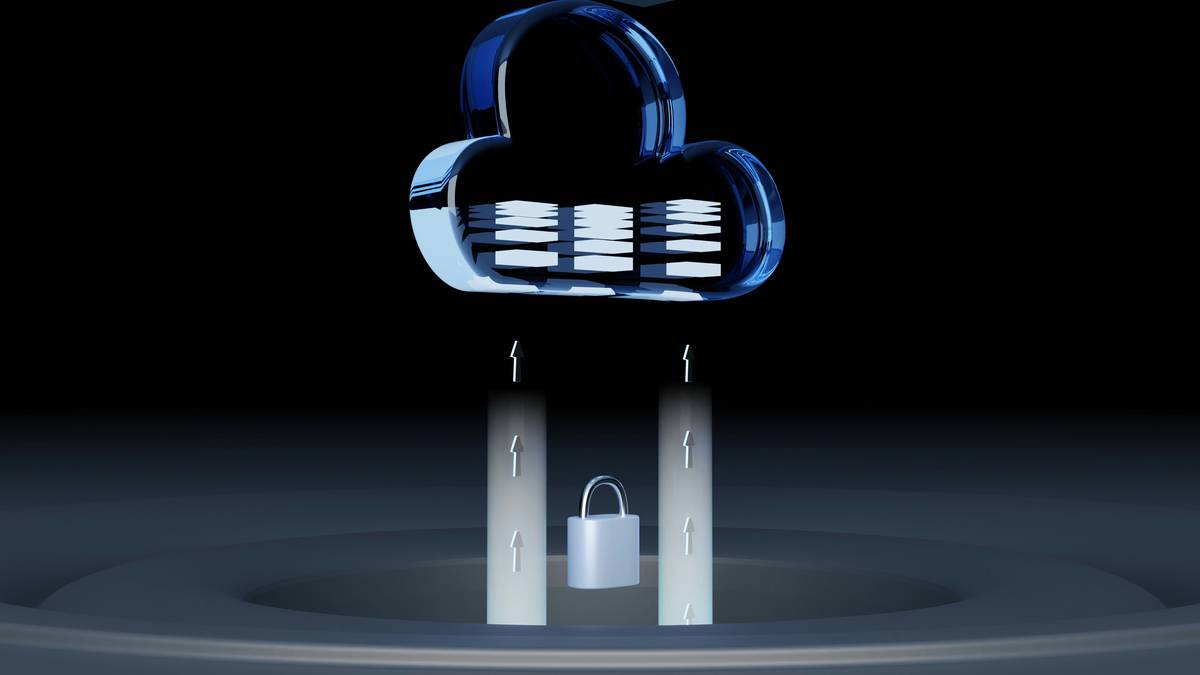
Step-by-Step Guide to Securing Your Cloud Storage
1. Audit Permissions Immediately
Start with a full inventory of all storage buckets. For each, verify: who can read, write, or delete? Use native tools like AWS Trusted Advisor or Azure Security Center. Disable public access by default—always.
2. Enforce Encryption Everywhere
Enable encryption at rest (AES-256) and in transit (TLS 1.2+). Don’t rely on provider defaults; explicitly configure it. Store encryption keys in a dedicated key management service (KMS), not in code repositories.
3. Implement Role-Based Access Control (RBAC)
Assign minimal permissions. A content uploader doesn’t need deletion rights. Review roles quarterly—especially after staff changes.
4. Enable Logging and Monitoring
Turn on audit logs (e.g., AWS CloudTrail, Google Cloud Audit Logs). Set alerts for unusual activity: bulk downloads, logins from new countries, or repeated failed access attempts.
Best Practices for Cloud Storage Security
- Never store credentials in config files. Use environment variables or secrets managers.
- Back up critical data offline. Ransomware can encrypt cloud backups if they’re connected—keep immutable, air-gapped copies.
- Train your team relentlessly. According to the SANS Institute, human error causes 95% of cloud misconfigurations.
- Avoid this terrible tip: “Just use the same password for all cloud accounts to keep things simple.” Nope. Use a business-grade password manager with MFA.
And while we’re ranting—why do so many vendors still market “unlimited storage” without clarifying compliance boundaries? Unlimited ≠ secure. If your data falls under FERPA or HIPAA, your provider must sign a Business Associate Agreement (BAA). Period.
Real-World Case Studies
In 2022, Arizona State University avoided a major breach when its internal red team discovered an exposed Azure container holding 1.2 million student records. Because they’d implemented automated bucket scanning and strict RBAC policies (aligned with their Privacy Policy), they contained the issue within 48 hours—no data exfiltrated.
Compare that to a 2021 incident where a Canadian online college lost accreditation temporarily after failing a GDPR audit due to unencrypted cloud backups. The fix cost over $200K in fines and consulting fees. Prevention is always cheaper than remediation.
Frequently Asked Questions
What makes cloud storage risky for online education?
Educational data often includes PII, grades, and behavioral records—all protected under laws like FERPA and GDPR. Misconfigured cloud storage can expose this data globally with one wrong setting.
Is encryption enough to protect my data?
No. Encryption secures data at rest, but improper access controls let authorized users (or attackers with stolen credentials) bypass it entirely. Layer encryption with strict identity management.
How often should I audit cloud storage permissions?
At minimum, quarterly. But automate continuous monitoring using CSPM (Cloud Security Posture Management) tools for real-time visibility.
Do all cloud providers comply with education regulations?
Not automatically. Ensure your provider offers compliant configurations and signs necessary agreements (e.g., BAA for HIPAA-covered data). Review their compliance certifications on official sites.
Can I recover data after a ransomware attack on cloud storage?
Only if you maintain immutable, versioned backups stored separately. Many cloud services offer object versioning—enable it, and test restores monthly.
Where can I learn more about our approach?
Explore our About Us page to see how we integrate security into every IT service we deliver.
The security of cloud storage solutions isn’t a checkbox—it’s the foundation of trustworthy online education. One oversight can unravel years of credibility. But when done right, it empowers innovation without compromise.
Ready to lock down your cloud environment? Contact us today for a free security posture assessment—and let’s keep your students’ futures safe, one encrypted byte at a time.